Skip to Content

Lagos in Peril: When the Rain Becomes a Reckoning

Samuel Chimezie Okechukwu (Great Nigeria - Story Teller)
06/29/2026
DEEP DIVE

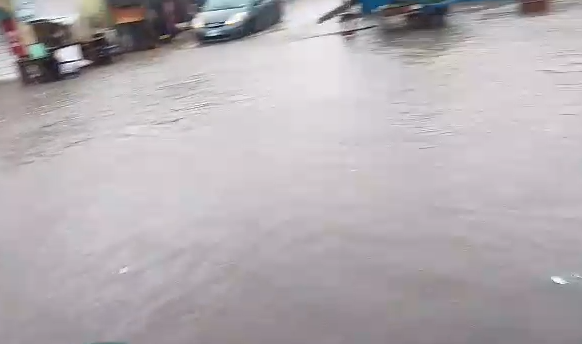
The skies over Lagos darkened ominously on that fateful Thursday, unleashing a torrent of rain that would leave the city in a state of paralysis. As the downpour intensified around noon and persisted until about 3 p.m., the metropolis was transformed into a vast, waterlogged expanse, with major roads turned into rivers and homes submerged beneath the deluge. The Lagos-Ibadan Expressway, Ikorodu Road, and the Lekki-Epe Expressway were among the numerous thoroughfares inundated by the floodwaters, bringing vehicular movement to a grinding halt. Motorists, commuters, and residents were left stranded, their daily lives disrupted by the relentless rain. According to Vanguard News, the heavy rainfall triggered flash floods across several parts of Lagos, leaving a trail of destruction in its wake. As reported by Peoples Gazette, residents of Ajah, Mafoluku, and other flood-prone communities were particularly affected, with floodwaters cutting off access to major roads and submerging homes. The Nigerian Meteorological Agency (NiMet) had predicted thunderstorms, but the severity of the downpour caught many off guard. As the city's infrastructure struggled to cope with the deluge, the residents were left to wonder if this was a one-off event or a harbinger of a more profound problem.

The Anatomy of a Disaster: Infrastructure vs. Nature's Fury

The flooding in Lagos is not an isolated incident; it is part of a recurring pattern that has plagued the city for years. As noted by Daily Trust, residents of Ajah and Mafoluku have recounted how Thursday's torrential rainfall left them stranded, with homes submerged and access to major roads cut off. The flooding has been blamed on poor drainage infrastructure, a claim that has been echoed by residents and experts alike. According to Vanguard News, several vehicles broke down after becoming submerged in floodwaters, highlighting the severity of the flooding. The affected communities have called for urgent government intervention to tackle the recurring flooding, citing the need for improved drainage infrastructure. As one resident lamented to the News Agency of Nigeria (NAN), the flooding has become an annual occurrence, with the authorities seemingly unable to stem the tide. The flooding of about 200 metres of Muri Okunola Road and Mobil Road in Ajah is a stark reminder of the city's vulnerability to heavy rainfall. With the city's population projected to continue growing, the need for effective infrastructure to mitigate the impact of flooding becomes increasingly pressing.

The Economic Backdrop: A City Struggling to Stay Afloat

The economic implications of the flooding in Lagos are far-reaching. With major roads inundated and access to key areas cut off, the city's economic activity was severely disrupted. The flooding not only affects the daily lives of residents but also has a significant impact on businesses, with many forced to shut down due to the lack of access. According to analysts, the flooding results in significant losses for businesses, with some estimating that the daily losses run into millions of naira. The economic costs of the flooding are not limited to the immediate impact; they also have long-term consequences, with the potential to deter investment and hinder economic growth. As experts point out, a city that is prone to flooding is not an attractive destination for investors, and the authorities must take urgent action to address the issue. With the city's economy already under strain, the need for effective measures to mitigate the impact of flooding becomes even more critical.

The Cultural and Social Dimension: A Community Under Siege

The flooding in Lagos has a profound impact on the social fabric of the city. With homes submerged and access to basic amenities cut off, residents are forced to live in difficult conditions. The flooding has a disproportionate impact on the most vulnerable members of society, including the poor and the elderly. As reported by Peoples Gazette, residents have been forced to wade through floodwaters, exposing themselves to health risks. The flooding also has a significant impact on the cultural life of the city, with many community events and activities disrupted. According to officials, the authorities have a responsibility to ensure that the city's residents have access to basic services, including healthcare and sanitation. The need for a coordinated response to the flooding is clear, with the authorities required to work with community leaders to develop effective solutions.

Future Implications: A Blueprint for Resilience or a Band-Aid Solution?

As Lagos continues to grapple with the impact of flooding, the need for a long-term solution becomes increasingly pressing. According to experts, the authorities must develop a comprehensive plan to address the root causes of the flooding, including the improvement of drainage infrastructure. The plan must also take into account the city's growing population and the need for sustainable development. As analysts point out, a city that is resilient to flooding is not just a matter of infrastructure; it is also about developing a culture of preparedness and adaptability. The authorities must work with residents, businesses, and other stakeholders to develop a blueprint for resilience that addresses the economic, social, and cultural dimensions of the flooding. With the city's future hanging in the balance, the need for a proactive and coordinated response to the flooding is clear. The question now is whether the authorities will rise to the challenge or merely apply a Band-Aid solution to a wound that requires surgery. As the city looks to the future, one thing is certain: the rain will come again, and Lagos must be ready.

The devastating impact of flooding on Lagos' residents is a stark reminder of the city's vulnerability to climate-related disasters. With each passing year, the frequency and severity of flooding events increase, highlighting the need for a multifaceted approach to mitigate its effects. For instance, the Lagos State Government's efforts to clear drainage channels and construct new ones are commendable, but more needs to be done to address the issue of poor waste management, which exacerbates the flooding. Moreover, the authorities must engage with local communities to develop early warning systems and evacuation plans, ensuring that residents are better prepared to respond to flooding events. By adopting a proactive and inclusive approach, Lagos can reduce the risks associated with flooding and create a more resilient and sustainable future for its citizens.

📰 Sources Cited

Live Updates

43m ago REACTION
Nigerian Tribune

Actor Kunle Remi Sparks Controversy with Comments on Lagos Flooding

Nigerian actor Kunle Remi has sparked controversy with his comments on the recent flooding in Lagos. In an interview with the Nigerian Tribune, Remi blamed the flooding on the dirty habits of Nigerians, saying 'Let's call a spade a spade. Nigerians are dirty people, and that is why there is flood everywhere.' His comments have been met with widespread criticism, with many accusing him of oversimplifying the complex issues surrounding flooding in the city. Others have pointed out that the flooding is a result of a combination of factors, including poor infrastructure, climate change, and urban planning. The controversy has highlighted the need for a more nuanced discussion about the causes of flooding and the ways to address it.

Lagos Government Announces Plans to Demolish Distressed Buildings in Flood-Prone Areas

In a bid to mitigate the effects of flooding, the Lagos state government has announced plans to demolish structurally distressed buildings in the Alakija area of Amuwo-Odofin local government area. According to Blueprint Newspapers, the demolition is part of a larger effort to reduce the risk of flooding and ensure public safety. The move has been welcomed by some residents, who have long complained about the dangers posed by the distressed buildings. However, others have expressed concerns about the potential displacement of residents and the need for alternative housing arrangements. The government has not yet announced a timeline for the demolition, but it is expected to take place in the coming weeks.

Floods Bring Lagos to a Standstill, Leaving Motorists and Commuters Stranded

Torrential rainfall has caused widespread flooding in Lagos, submerging major roads and bringing commercial and vehicular activities to a standstill. According to Vanguard News, flash floods have left motorists and commuters stranded, with many roads becoming impassable. The situation has been exacerbated by the city's poor drainage system, which has been unable to cope with the heavy rainfall. As a result, residents have been forced to navigate the flooded streets, with many taking to social media to share images and videos of the chaos. The flooding has also raised concerns about the city's preparedness for extreme weather events, with many calling for improved infrastructure and emergency response measures.

No comments yet. Be the first to share your thoughts!

Lagos in Peril: When the Rain Becomes a Reckoning

Samuel Chimezie Okechukwu (Great Nigeria - Story Teller)
06/29/2026
DEEP DIVE

The skies over Lagos darkened ominously on that fateful Thursday, unleashing a torrent of rain that would leave the city in a state of paralysis. As the downpour intensified around noon and persisted until about 3 p.m., the metropolis was transformed into a vast, waterlogged expanse, with major roads turned into rivers and homes submerged beneath the deluge. The Lagos-Ibadan Expressway, Ikorodu Road, and the Lekki-Epe Expressway were among the numerous thoroughfares inundated by the floodwaters, bringing vehicular movement to a grinding halt. Motorists, commuters, and residents were left stranded, their daily lives disrupted by the relentless rain. According to Vanguard News, the heavy rainfall triggered flash floods across several parts of Lagos, leaving a trail of destruction in its wake. As reported by Peoples Gazette, residents of Ajah, Mafoluku, and other flood-prone communities were particularly affected, with floodwaters cutting off access to major roads and submerging homes. The Nigerian Meteorological Agency (NiMet) had predicted thunderstorms, but the severity of the downpour caught many off guard. As the city's infrastructure struggled to cope with the deluge, the residents were left to wonder if this was a one-off event or a harbinger of a more profound problem.

The Anatomy of a Disaster: Infrastructure vs. Nature's Fury

The flooding in Lagos is not an isolated incident; it is part of a recurring pattern that has plagued the city for years. As noted by Daily Trust, residents of Ajah and Mafoluku have recounted how Thursday's torrential rainfall left them stranded, with homes submerged and access to major roads cut off. The flooding has been blamed on poor drainage infrastructure, a claim that has been echoed by residents and experts alike. According to Vanguard News, several vehicles broke down after becoming submerged in floodwaters, highlighting the severity of the flooding. The affected communities have called for urgent government intervention to tackle the recurring flooding, citing the need for improved drainage infrastructure. As one resident lamented to the News Agency of Nigeria (NAN), the flooding has become an annual occurrence, with the authorities seemingly unable to stem the tide. The flooding of about 200 metres of Muri Okunola Road and Mobil Road in Ajah is a stark reminder of the city's vulnerability to heavy rainfall. With the city's population projected to continue growing, the need for effective infrastructure to mitigate the impact of flooding becomes increasingly pressing.

The Economic Backdrop: A City Struggling to Stay Afloat

The economic implications of the flooding in Lagos are far-reaching. With major roads inundated and access to key areas cut off, the city's economic activity was severely disrupted. The flooding not only affects the daily lives of residents but also has a significant impact on businesses, with many forced to shut down due to the lack of access. According to analysts, the flooding results in significant losses for businesses, with some estimating that the daily losses run into millions of naira. The economic costs of the flooding are not limited to the immediate impact; they also have long-term consequences, with the potential to deter investment and hinder economic growth. As experts point out, a city that is prone to flooding is not an attractive destination for investors, and the authorities must take urgent action to address the issue. With the city's economy already under strain, the need for effective measures to mitigate the impact of flooding becomes even more critical.

The Cultural and Social Dimension: A Community Under Siege

The flooding in Lagos has a profound impact on the social fabric of the city. With homes submerged and access to basic amenities cut off, residents are forced to live in difficult conditions. The flooding has a disproportionate impact on the most vulnerable members of society, including the poor and the elderly. As reported by Peoples Gazette, residents have been forced to wade through floodwaters, exposing themselves to health risks. The flooding also has a significant impact on the cultural life of the city, with many community events and activities disrupted. According to officials, the authorities have a responsibility to ensure that the city's residents have access to basic services, including healthcare and sanitation. The need for a coordinated response to the flooding is clear, with the authorities required to work with community leaders to develop effective solutions.

Future Implications: A Blueprint for Resilience or a Band-Aid Solution?

As Lagos continues to grapple with the impact of flooding, the need for a long-term solution becomes increasingly pressing. According to experts, the authorities must develop a comprehensive plan to address the root causes of the flooding, including the improvement of drainage infrastructure. The plan must also take into account the city's growing population and the need for sustainable development. As analysts point out, a city that is resilient to flooding is not just a matter of infrastructure; it is also about developing a culture of preparedness and adaptability. The authorities must work with residents, businesses, and other stakeholders to develop a blueprint for resilience that addresses the economic, social, and cultural dimensions of the flooding. With the city's future hanging in the balance, the need for a proactive and coordinated response to the flooding is clear. The question now is whether the authorities will rise to the challenge or merely apply a Band-Aid solution to a wound that requires surgery. As the city looks to the future, one thing is certain: the rain will come again, and Lagos must be ready.

The devastating impact of flooding on Lagos' residents is a stark reminder of the city's vulnerability to climate-related disasters. With each passing year, the frequency and severity of flooding events increase, highlighting the need for a multifaceted approach to mitigate its effects. For instance, the Lagos State Government's efforts to clear drainage channels and construct new ones are commendable, but more needs to be done to address the issue of poor waste management, which exacerbates the flooding. Moreover, the authorities must engage with local communities to develop early warning systems and evacuation plans, ensuring that residents are better prepared to respond to flooding events. By adopting a proactive and inclusive approach, Lagos can reduce the risks associated with flooding and create a more resilient and sustainable future for its citizens.

📰 Sources Cited

Live Updates

43m ago REACTION
Nigerian Tribune

Actor Kunle Remi Sparks Controversy with Comments on Lagos Flooding

Nigerian actor Kunle Remi has sparked controversy with his comments on the recent flooding in Lagos. In an interview with the Nigerian Tribune, Remi blamed the flooding on the dirty habits of Nigerians, saying 'Let's call a spade a spade. Nigerians are dirty people, and that is why there is flood everywhere.' His comments have been met with widespread criticism, with many accusing him of oversimplifying the complex issues surrounding flooding in the city. Others have pointed out that the flooding is a result of a combination of factors, including poor infrastructure, climate change, and urban planning. The controversy has highlighted the need for a more nuanced discussion about the causes of flooding and the ways to address it.

Lagos Government Announces Plans to Demolish Distressed Buildings in Flood-Prone Areas

In a bid to mitigate the effects of flooding, the Lagos state government has announced plans to demolish structurally distressed buildings in the Alakija area of Amuwo-Odofin local government area. According to Blueprint Newspapers, the demolition is part of a larger effort to reduce the risk of flooding and ensure public safety. The move has been welcomed by some residents, who have long complained about the dangers posed by the distressed buildings. However, others have expressed concerns about the potential displacement of residents and the need for alternative housing arrangements. The government has not yet announced a timeline for the demolition, but it is expected to take place in the coming weeks.

Floods Bring Lagos to a Standstill, Leaving Motorists and Commuters Stranded

Torrential rainfall has caused widespread flooding in Lagos, submerging major roads and bringing commercial and vehicular activities to a standstill. According to Vanguard News, flash floods have left motorists and commuters stranded, with many roads becoming impassable. The situation has been exacerbated by the city's poor drainage system, which has been unable to cope with the heavy rainfall. As a result, residents have been forced to navigate the flooded streets, with many taking to social media to share images and videos of the chaos. The flooding has also raised concerns about the city's preparedness for extreme weather events, with many calling for improved infrastructure and emergency response measures.

No comments yet. Be the first to share your thoughts!

Cinematic